
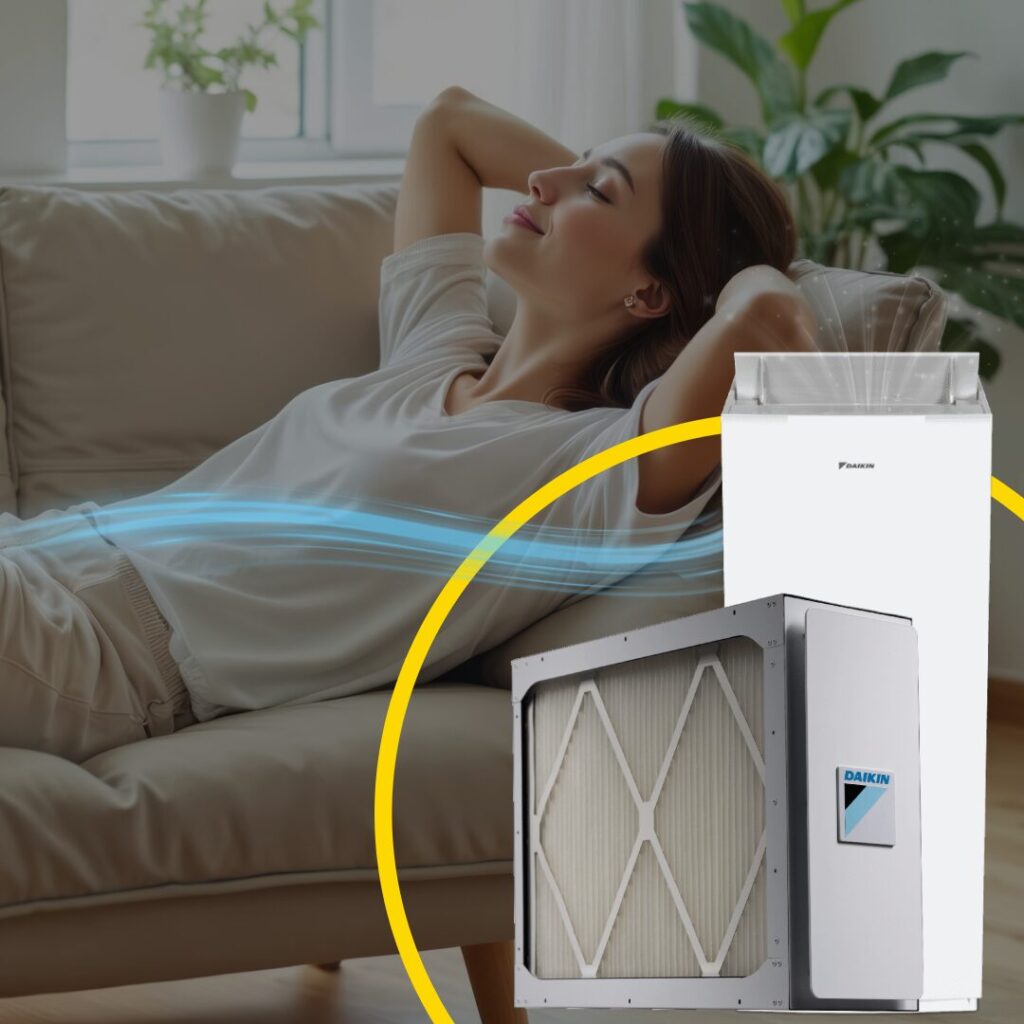
Indoor air quality is one of those things homeowners in the Inland Empire don’t think about until something feels off. Maybe the house feels dusty no matter how often you clean, allergies seem worse indoors than outside, or the air just feels dry and uncomfortable. With the region’s dry climate, seasonal winds, and higher dust levels, indoor air quality can impact daily comfort more than most people realize. Here are some frequently asked questions that could help you better understand what is contributing to your discomfort…
What causes poor indoor air quality in Inland Empire homes?
In the Inland Empire, poor indoor air quality is often a combination of environmental and household factors. Dust and debris from outside easily enter the home, especially during windy conditions, and once inside, they continue to circulate through your system. Add in everyday contributors like pet dander, cooking particles, cleaning products, and dirty air filters, and you end up with a constant cycle of airborne contaminants.
What makes this worse is that many newer homes are constructed with a tightly closed envelop which keep, traps, cool air in during warmer months. While that helps with efficiency, it also means the same air is being recirculated repeatedly. Without proper filtration and airflow, particles don’t leave—they build up. Over time, this is why some homes feel “heavy” or dusty even after cleaning.
How do I know if my indoor air quality is a problem?
Most people don’t measure indoor air quality with a device rather than how they feel it. If you notice you’re sneezing more at home, waking up congested, dealing with dry throat or itchy eyes, or constantly dusting surfaces only for it to come back quickly, those are all signs your air quality may be off.
Another overlooked sign is how the home smells and feels. Stale air, lingering odors, or a home that feels dry and uncomfortable can all point to poor air circulation or imbalance. In many Inland Empire homes, people assume it’s just “the climate,” but often it’s a combination of dry air and poor filtration working together.
Can my AC system make air quality worse?
Yes, and this is something a lot of homeowners don’t realize. Your system doesn’t just cool your home—it moves air constantly. If your filter is dirty, your ducts have buildup, or airflow is restricted, your system can end up circulating dust, allergens, and particles throughout the entire house.
Think of it this way: if the system is not filtering properly, it is not cleaning the air—it is redistributing what is already there. Over time, this can make dust problems worse, trigger allergies, and reduce overall comfort. On the flip side, a properly maintained system with clean filters and good airflow becomes one of the most effective tools for improving indoor air quality.
Can indoor air quality impact my health long-term?
Yes, prolonged exposure to poor indoor air quality can contribute to ongoing respiratory issues and worsen existing conditions such as asthma or allergies. While occasional exposure may only cause mild symptoms, long-term exposure to airborne irritants can have a more noticeable impact over time. Improving indoor air quality helps create a healthier living environment, especially for households with children, older adults, or individuals with sensitivities.
What makes the biggest difference in improving air quality?
The biggest improvements usually come from a few consistent habits rather than one major change. Keeping air filters clean is one of the most important steps, especially in a dust-prone area like the Inland Empire. Beyond that, maintaining proper airflow, keeping vents unobstructed, and reducing sources of indoor pollutants all play a role.
For many homes, the real difference comes from combining maintenance with the right indoor air quality products. Better filtration, improved airflow, and in some cases air purification systems can significantly reduce the number of airborne particles circulating through the home. The key is not just treating the symptom—it is improving how the entire system handles air.
When should I bring in a professional for indoor air quality issues?
If you feel like you are constantly dealing with dust, allergies, or discomfort despite cleaning and changing filters, it is usually a sign that something more significant is going on. Recurring issues often point to airflow problems, filtration limitations, or system-related inefficiencies that are not always visible.
A professional evaluation can help identify where the problem is coming from. Instead of guessing or relying on temporary fixes, you get a clearer understanding of what is affecting your air and what steps will make a meaningful difference. If you sense something is off, give Ballard a call at [csasd_phone] and we’ll check it out for you and provide you with recommendations that will help ensure you and your family are breathing cleaner, healthier air.
