
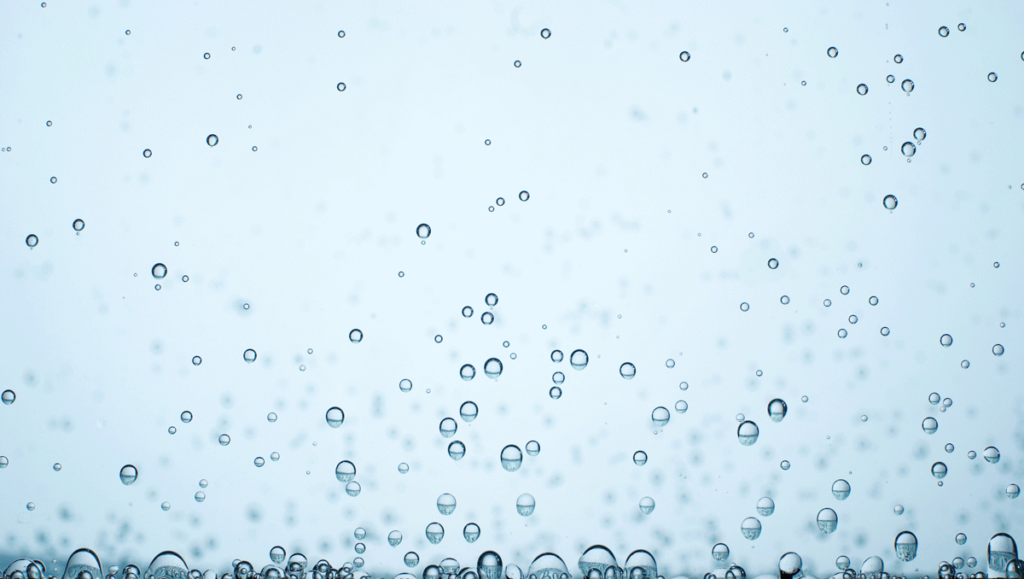
Have you ever poured a glass of tap water, set it on the counter, and come back later to notice tiny bubbles clinging to the sides of the glass? A lot of people assume the water is becoming carbonated, but that is not actually what is happening.
If you have ever wondered why water seems fizzy after sitting out, the short answer is that the bubbles are usually caused by dissolved air escaping from the water. In most cases, this is completely normal and not a sign that anything is wrong with your plumbing or water quality.
Here is what is really going on and when those bubbles could point to a plumbing issue worth checking out.
Why does a glass of water get bubbles after sitting out?
When water travels through your plumbing system, it moves under pressure. That pressurized water can hold dissolved gases such as oxygen and nitrogen. Cold water can hold even more dissolved gas than warmer water.
Once you pour that water into a glass and leave it sitting out at room temperature, those dissolved gases begin to escape. As they leave the water, they form tiny bubbles that collect on the sides and bottom of the glass.
That means the bubbles you see are usually just air coming out of the water. It is not carbonation in the same way you would find in sparkling water or soda.
Is it actually carbonated?
No. Tap water that develops little bubbles after sitting out is not becoming carbonated.
True carbonation happens when carbon dioxide is intentionally dissolved into a liquid under controlled pressure. That is how sparkling water and soft drinks are made. The bubbles in your glass of tap water are typically caused by naturally dissolved air escaping as the water adjusts to room temperature and normal air pressure.
So while it may look similar, it is a completely different process.
Why do the bubbles show up more in cold water?
Cold water can hold more dissolved gas than warm water. That is why this is often more noticeable when you pour a cold glass of water from the tap.
As the water warms up, it cannot hold as much dissolved gas, so some of that air is released. The released gas forms visible bubbles, especially on the inside surface of the glass.
If you have ever seen cloudy water that clears from the bottom up or top down after a minute or two, that can also be related to air in the water.
Is bubbly tap water normal?
Yes, in most cases it is completely normal.
If the bubbles appear gradually and the water still looks, smells, and tastes normal, there is usually no reason to worry. This is a common and harmless effect of pressurized tap water and temperature change.
For most homeowners, a glass of water developing tiny bubbles after sitting out does not mean there is a plumbing problem, and it does not mean the water is unsafe to drink.
When could bubbles in water point to a plumbing issue?
While small bubbles in a glass of water are usually normal, there are times when air in your plumbing system can signal a problem.
You may want to have your plumbing checked if you notice:
- Frequent sputtering from faucets
- Bursts of air when turning on water
- Cloudy water that happens often and does not clear quickly
- Unusual changes in water pressure
- Whistling pipes or banging sounds
- Water leaks or dripping fixtures throughout the home
These symptoms can sometimes be related to pressure issues, trapped air in the lines, or other plumbing concerns. In some homes, excessively high water pressure can also contribute to fixture wear, leaks, and running toilets.
If you are dealing with any of those problems, it is a good idea to have a licensed plumber inspect your system before a small issue turns into a costly repair.
Is high water pressure dangerous for plumbing?
High water pressure can be hard on your plumbing system over time. It may not always be obvious at first, but excessive pressure can put stress on pipes, valves, faucets, supply lines, and appliances that use water.
Some common signs of high water pressure include:
- Dripping faucets
- Running toilets
- Banging pipes
- Leaking pipe connections
- Premature wear on water using appliances
If you suspect your home may have high water pressure, a plumber can test it and determine whether a pressure reducing valve or another solution is needed.
Is it safe to drink water that has bubbles in it?
Yes, in most cases water with these tiny air bubbles is safe to drink.
The bubbles are usually just dissolved air coming out of the water, not a contaminant. If your tap water otherwise appears clean and has no unusual odor or taste, the bubbles alone are generally not a reason for concern.
That said, if your water suddenly changes color, smells strange, tastes unusual, or is consistently cloudy, that is worth investigating.
How long can a glass of water sit out before you should not drink it?
A glass of water left out for a short period is usually fine, but if it has been sitting out overnight or longer, most people would rather pour a fresh glass.
That is less about your plumbing and more about general cleanliness. Dust, germs, and other particles from the air can settle into the glass over time. If it has been sitting out a long while, it is probably best to dump it and refill it.
When to call a plumber
A glass of tap water forming tiny bubbles after sitting out is usually nothing to worry about. But if you are also noticing leaks, running toilets, inconsistent water pressure, or air coming through your faucets, your plumbing system may need attention.
A professional plumbing inspection can help identify whether the issue is normal, pressure related, or a sign of a bigger problem developing behind the scenes.
If you have concerns about your home’s water pressure or plumbing performance, contact Ballard for a professional evaluation.
We hope we’ve “quenched your thirst” for knowledge about water that is left sitting out! If you have any questions about water quality or are having any plumbing issues, Ballard is happy to help. Contact us online or give us a call!909-297-1914
