
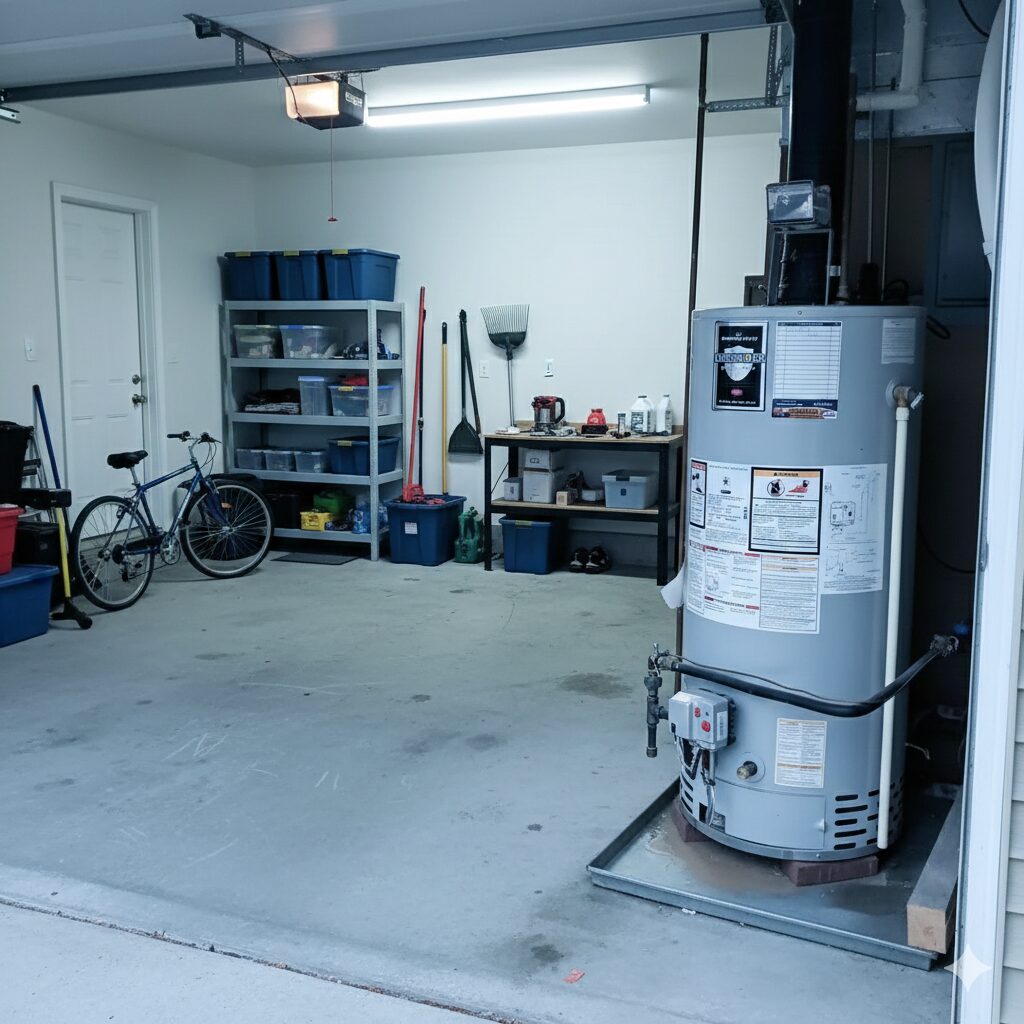
What does a water heater actually do?
A water heater’s job is simple but essential: it heats and stores water so it’s ready when you turn on a faucet, shower, dishwasher, or washing machine. Most homes use either a traditional tank-style water heater that stores hot water or a tankless system that heats water on demand. When a water heater starts failing, it usually shows up as inconsistent temperatures, slow recovery time, or a complete lack of hot water.
How long does a water heater usually last?
Most traditional tank water heaters last between 8 and 12 years, depending on usage, water quality, and maintenance. Tankless water heaters can last longer—often 15 to 20 years—but only if they’re properly maintained. In areas with hard water, like much of the Inland Empire, mineral buildup can shorten a unit’s lifespan if it isn’t flushed regularly.
Why does my hot water run out so fast?
Running out of hot water quickly is often a sign that the tank is too small for your household or that sediment has built up inside the tank. Over time, minerals settle at the bottom of the tank, taking up space and reducing the amount of hot water available. A failing heating element can also prevent the water from reheating properly between uses.
Is it normal for water heaters to make noise?
Some noise is normal, but loud popping, banging, or rumbling sounds are not. These noises are usually caused by sediment buildup that traps water underneath it, creating steam bubbles that pop as they escape. Left unaddressed, this can overheat the tank, damage internal components, and shorten the life of the unit.
Why does my hot water look rusty or smell bad?
Rusty or discolored hot water can indicate corrosion inside the tank or failing internal components. A sulfur or “rotten egg” smell is often caused by bacteria reacting with minerals in the water, especially in homes with well water or unused water heaters. Both issues are signs that the system should be inspected before the problem worsens.
Should I repair or replace my water heater?
If your water heater is under 8 years old and the issue is minor, a repair may make sense. However, frequent repairs, rising energy bills, visible rust, or leaks usually indicate replacement is the better long-term option. Once a tank starts leaking, replacement is urgent—repairs are no longer safe or effective.
What’s the difference between tank and tankless water heaters?
Tank water heaters store a set amount of hot water and are typically more affordable upfront. Tankless systems heat water only when needed, providing endless hot water and better energy efficiency, but they come with a higher initial cost. The right choice depends on household size, usage habits, and existing plumbing and electrical capacity.
How can I make my water heater last longer?
Annual maintenance is the key to extending the life of a water heater. Flushing the tank removes sediment buildup, checking the anode rod helps prevent corrosion, and inspecting valves and connections reduces the risk of leaks. Regular maintenance is especially important in areas with hard water, where mineral buildup happens faster.
When should I call a professional plumber?
You should call a professional if you notice leaking, inconsistent water temperatures, strange noises, discolored water, or if your unit is nearing the end of its expected lifespan. Water heaters combine high heat, pressure, gas, and electricity, which makes DIY repairs risky. A Ballard plumber will give you a thorough inspection that helps prevent water damage, safety hazards, and unexpected system failure. Just give us a call at 909-297-1914 to schedule your appointment today.
