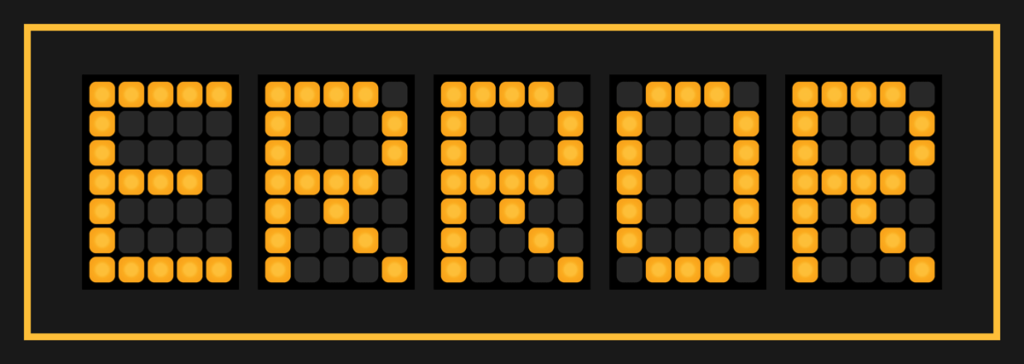
If your furnace has stopped working or you are wondering what those blinking lights mean, this guide will help. Modern furnaces are equipped with diagnostic systems that use error codes to communicate problems. Understanding these codes can give you a helpful head start when talking with a technician.
What are Diagnostic Error Codes?
Diagnostic error codes are messages created by the furnace’s control board. In newer systems, the electronic control board constantly monitors key functions such as ignition, pressure switches, blower motors, and flame sensors. When it detects a fault, it displays an error by flashing a light in a specific pattern or showing a two-digit code.
These codes do not always identify the exact part that failed, but they help narrow down the general area of concern such as ignition, airflow, or venting.
Why Furnace Error Codes Matter
Being able to interpret furnace error codes helps you in several ways.
- You can share more accurate information with your HVAC technician.
- You can determine whether the problem is minor, such as a dirty air filter, or more serious, such as a faulty heat exchanger.
- You can save time by avoiding guesswork before service arrives.
How to Locate the Furnace Error Code
- Turn off the power to your furnace using the switch or breaker for safety.
- Remove or open the access panel to reach the lower compartment where the control board is located.
- Look for a small inspection window or LED indicator on the board.
- Turn the power back on and call for heat at the thermostat. Observe the light pattern carefully. Count the number of short and long flashes as well as any pauses. Some furnaces show two-digit numbers rather than blinking patterns.
Always refer to your furnace’s user manual because each manufacturer has its own code system.
Understanding Codes by Brand
Each furnace brand uses slightly different error code patterns. Below are examples for several popular manufacturers.
Carrier, Bryant, and Payne Furnaces
Carrier and Bryant models often display codes such as 1-4 or 2-2. A code of 1-4 may point to an ignition lockout while a code of 2-2 may mean an abnormal flame signal. Payne furnaces follow a similar pattern and may use colored LED indicators to show different issues. For example, two red flashes might indicate reversed line voltage polarity, while one quick flash followed by four slower flashes could signal a flame rollout or pressure switch issue.
Goodman and Amana Furnaces
Goodman and Amana furnaces also use blinking lights to indicate problems. One blink may mean an ignition failure, while two blinks could point to an open pressure switch. Always check your model’s manual for the exact meaning since codes can vary slightly even within the same brand family.
Common Furnace Error Code Examples
Here are some typical furnace codes and what they usually mean.
- Limit circuit lockout (Carrier code 13 or 33) often means the high-limit or rollout switch opened during a heating cycle. This can be caused by restricted airflow, a clogged filter, or a blocked vent.
- Pressure switch fault (Carrier code 31) usually points to a venting problem, a blocked intake or exhaust, or a defective pressure switch.
- Ignition lockout (Payne code 14) indicates that the furnace tried to ignite several times and failed. The cause might be a dirty flame sensor, a faulty ignitor, or a gas valve issue.
- Flame present when there is no call for heat can signal a leaking gas valve or a stuck flame sensor.
Step by Step Troubleshooting Checklist
- Replace or clean the air filter. Restricted airflow is one of the most common causes of furnace faults.
- Make sure all vents and flues are clear, especially for furnaces that use power venting.
- Check the thermostat to confirm it is set to heat and that the batteries are good if it uses them.
- Observe and record the flashing pattern or number displayed on the furnace board.
- Match the code to your furnace manual or look it up on the manufacturer’s website.
- If it appears to be a minor issue such as a dirty filter, fix it and restart the system. If the same code returns, stop and call a professional technician.
Many furnace problems may seem harmless but can actually be safety hazards, such as flame rollout or venting failure.
Time to Call the Furnace Repair Professionals
Some issues should always be handled by a licensed HVAC technician. If you notice any of the following, schedule service right away.
- The same error code keeps reappearing.
- You see flames outside the burner area.
- You smell gas.
- The burner flames are yellow or orange instead of blue.
- You are unsure how to safely access or test a component.
Use the error code information as a guide, but avoid attempting complex repairs on your own.
Furnace error codes can be a powerful tool to help you understand what is wrong with your heating system. Whether you own a Payne, Carrier, Goodman, or another brand, the process is similar. Observe the code, review the manual, handle simple fixes, and let a trained technician handle the rest.
Rather than attempting to diagnose yourself, use the code to give the furnace repair company a starting point. Proper interpretation combined with an expert technician’s testing know-how will get your furnace running cozily again!
Call in the Inland Empire heating pros to decode and resolve those pesky furnace fault alerts! Contact us online or give us a call today: 909-297-1914
We serve San Bernardio, Redlands, Highland, Riverside, Loma Linda, Fontana and the Inland Empire with quality HVAC and Plumbing services.
